













The Role of Proper Tool Matching in Improving Machining Efficiency
In machining, tool performance is never determined by the tool alone. Even a well-made CNC cutting tool may fail to deliver stable results if it is not properly matched to the workpiece material, machining method, machine condition, or production goal. This is why proper tool matching plays such an important role in improving machining efficiency. For manufacturers, higher efficiency does not simply mean running faster. It means choosing tools that help keep cutting stable, reduce unnecessary downtime, maintain part consistency, and support smoother daily production.
One of the most common causes of low machining efficiency is using a tool that is only partially suitable for the job. It may cut the material, but not in the most stable or productive way. For example, a tool may have the wrong flute design for chip evacuation, the wrong cutting edge strength for the material, or the wrong overall length for the machining setup. In these situations, the machine may still run, but the process becomes less efficient. Operators may need to slow down parameters, stop more often, inspect more frequently, or replace tools earlier than expected.
Material matching is especially important. Different materials create different cutting loads, chip forms, and heat conditions. Stainless steel often requires better chip evacuation and more stable cutting edges. Aluminum needs sharper tools and smoother cutting action to avoid built-up edge. Hardened materials require stronger rigidity and higher wear resistance. If the tool is not chosen according to the material, machining efficiency may drop quickly, even if the machine and operator are both capable.
Tool matching also affects process continuity. In mass production or repeated machining work, small tooling problems can become large production losses over time. A drill that wears too fast, a tap that breaks unexpectedly, or an end mill that causes unstable surface finish can interrupt the process and increase adjustment time. Even when parts remain usable, the production flow becomes less predictable. Properly matched tools help reduce these interruptions and allow factories to maintain a steadier machining rhythm.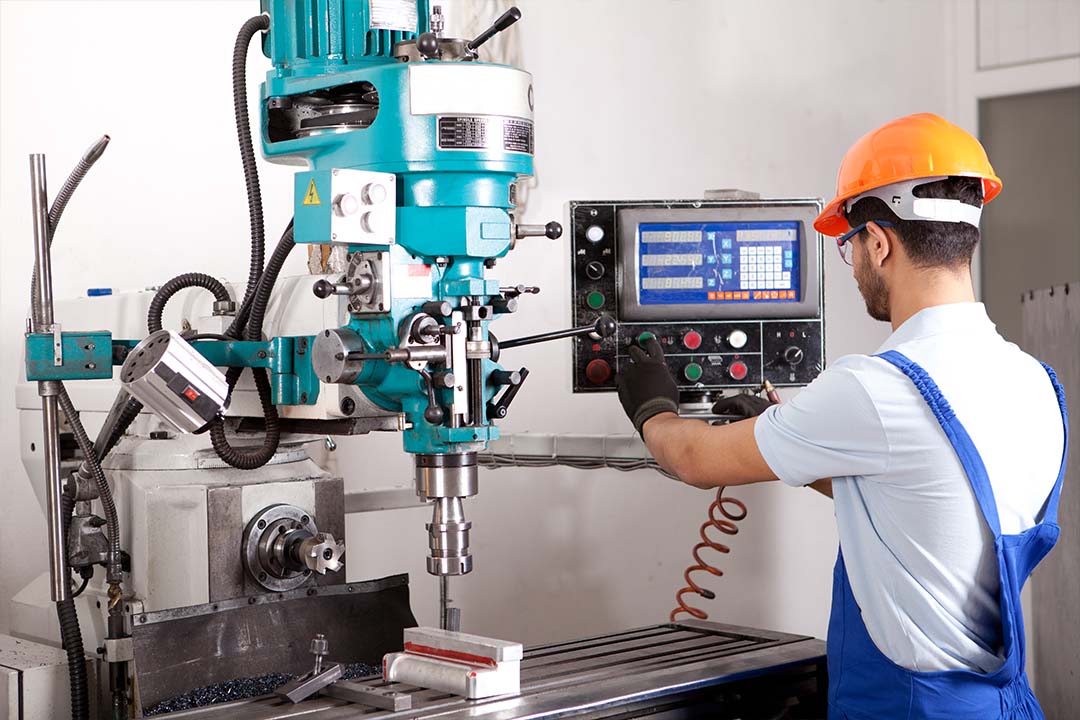
Another important factor is matching the tool to the operation itself. Threading, milling, drilling, reaming, and hole-making all require different cutting characteristics. In milling alone, roughing, finishing, slotting, contouring, and deep cavity work may all require different tool structures. A standard end mill used in the wrong situation may still remove material, but not with the best balance of speed, stability, and tool life. The same applies to tapping and drilling. Matching the tool to the actual task helps avoid unnecessary compromise in production.
Machine condition should also be considered. A tool that performs well on a high-rigidity machining center may not behave the same way on a lighter or older machine. Tool overhang, spindle stability, coolant supply, and clamping strength all influence how efficiently the tool can work. Proper tool matching means looking at the entire production condition, not just the catalog specification. In many cases, a more suitable tool for the machine can improve results more effectively than simply increasing cutting parameters.
Good tool matching also supports cost efficiency. In industrial production, a lower tool price does not always mean lower machining cost. A cheaper tool that produces unstable cutting, higher scrap rates, or more downtime may increase the real cost of production. A better-matched tool often delivers greater value by improving output consistency and reducing interruption. For this reason, tooling decisions should always be linked to process performance, not only to purchase price.
Standard tools and custom tools both play a role in this. Standard CNC cutting tools are effective for many routine operations and remain the best choice in a wide range of everyday machining work. However, when the workpiece has special dimensions, difficult materials, or unusual machining conditions, standard tools may no longer be the most efficient option. In such cases, custom taps, drills, or end mills can improve matching accuracy and help solve repeated production issues. Better matching often leads directly to better efficiency.
In the end, machining efficiency is not created by speed alone. It is created by process stability, practical tool selection, and the ability to keep production moving without unnecessary interruption. Proper tool matching is one of the most direct ways to achieve this. For manufacturers, choosing the right CNC cutting tool means choosing a more reliable path to better efficiency, lower cost, and more consistent machining results.
 `
`
 `
`
 `
`
 `
`