













How to Choose the Right CNC Cutting Tool
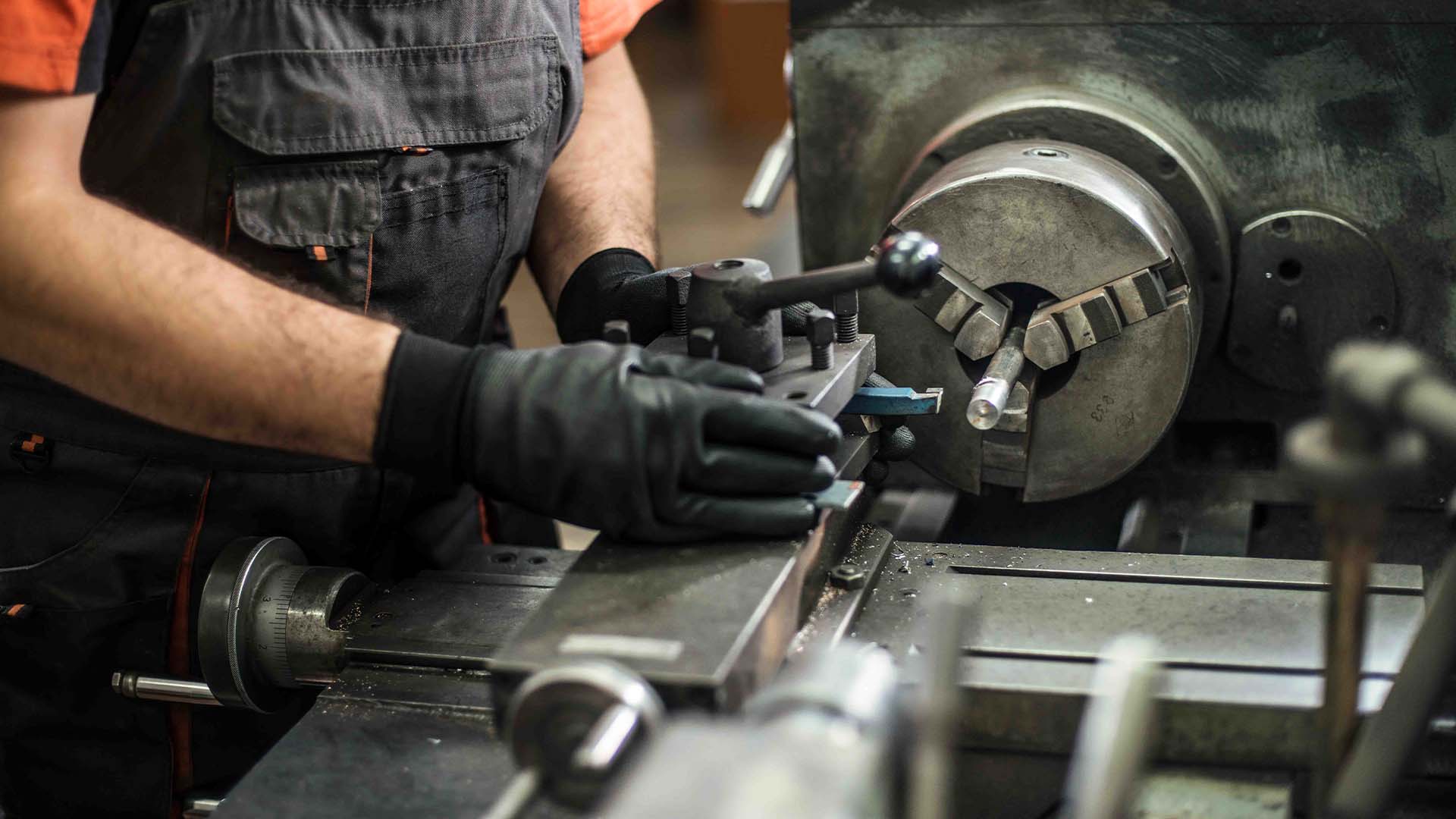
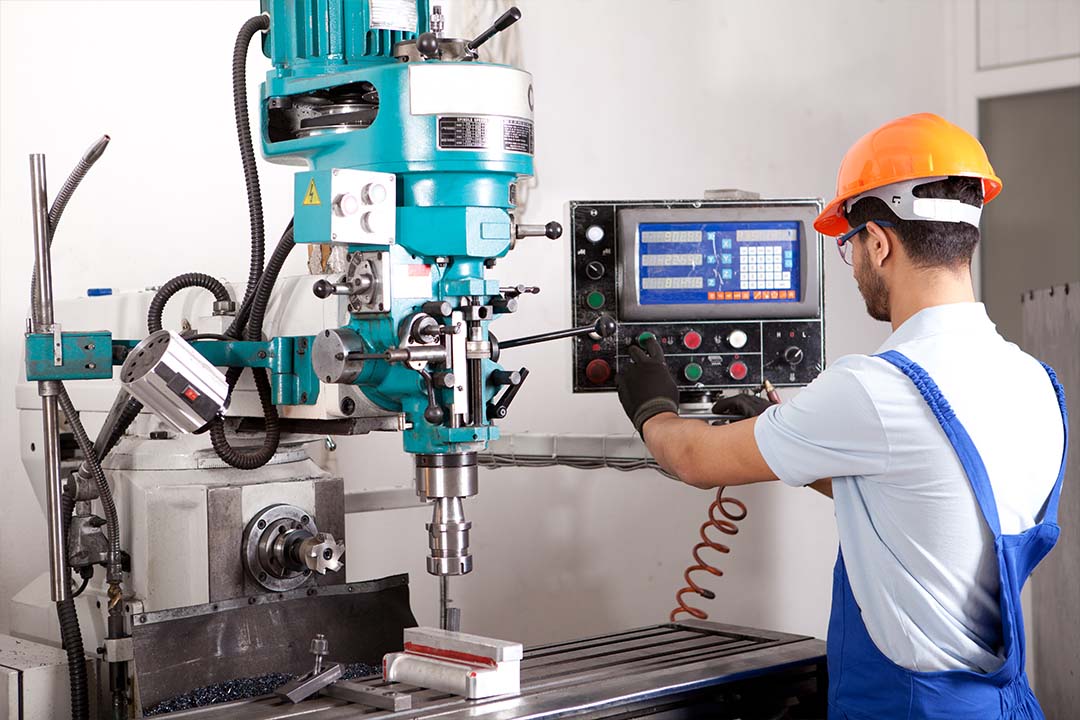
Choosing the right CNC cutting tool is one of the most important steps in any machining process. Tool selection directly affects cutting efficiency, machining stability, surface finish, dimensional accuracy, and overall production cost. In many factories, machining problems are not caused by the machine itself, but by using tools that do not properly match the material, process, or working condition.
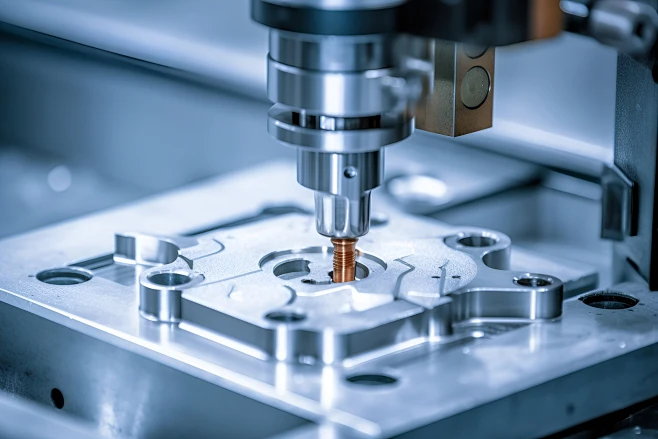
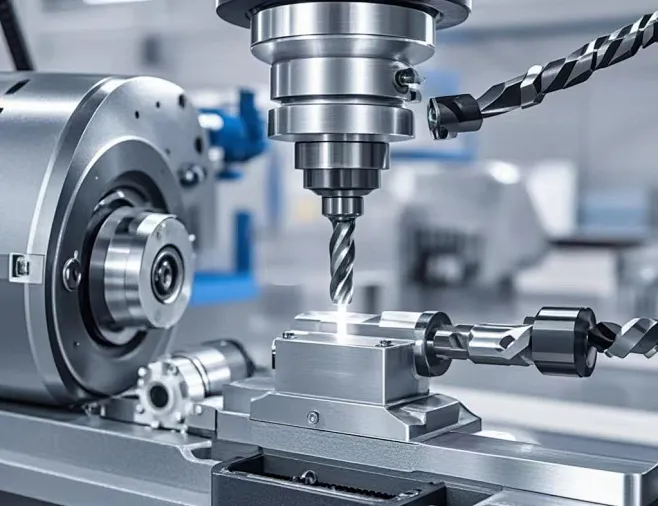
The first point to consider is the machining operation. Threading, milling, drilling, reaming, and hole-making all require different tool designs and cutting characteristics. A tap for thread processing cannot replace a drill for hole preparation, and an end mill used for rough machining may not perform well in finishing work. Clear process understanding is the foundation of correct tool selection.
Material is another key factor. Carbon steel, stainless steel, aluminum, cast iron, and hardened steel all behave differently during cutting. Stainless steel usually creates higher cutting resistance and more difficult chip control. Aluminum requires sharp tools and smooth chip evacuation. Hardened materials demand stronger rigidity, better wear resistance, and more stable cutting performance. A tool that works well in one material may not be suitable for another.
Machining conditions also matter. Spindle speed, feed rate, coolant supply, machine rigidity, and tool overhang all affect tool performance. Even a good tool may fail to deliver stable results if the cutting conditions are not suitable. That is why proper selection should always be based on the actual production environment.
For manufacturers, the right CNC cutting tool is not only a product choice. It is a practical way to improve efficiency, reduce downtime, lower tooling cost, and achieve more reliable machining results.
 `
`
 `
`
 `
`
 `
`